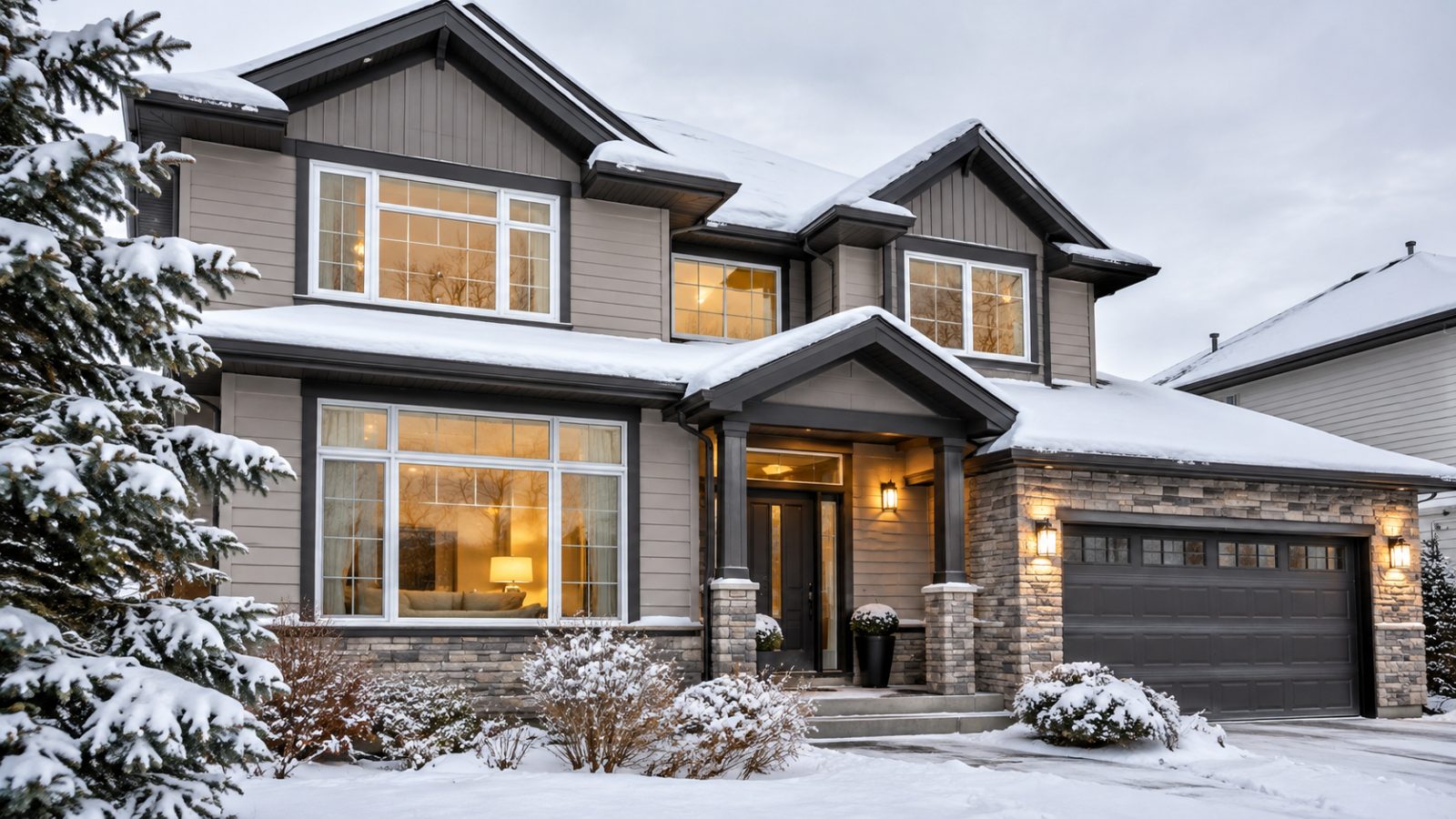
Local Window Replacement Services
Window Replacement in Leduc, Alberta
Find the right solution for your windows. Get a Free Estimate
Living in Leduc means dealing with cold winters, warm summer afternoons and changing weather throughout the year. Your windows play an important part in keeping your home comfortable through all of it. When older windows become drafty, difficult to open or covered in condensation between the panes, replacement is worth considering.
Window Replacement Leduc helps homeowners explore practical window replacement options suited to central Alberta. Whether you have a single damaged window in an older bungalow near downtown or want to improve the energy efficiency of a newer family home in Southfork, you can start by telling us what you need.
From insulated glass units and triple pane windows to basement window upgrades and larger decorative window styles, different homes require different solutions. The right choice depends on the condition of your existing windows, the way your home is built and what you want to improve.
Submit an estimate request to connect with an independent local contractor who can assess your windows, explain the available options and provide an estimate for the proposed work.
Window replacement can involve more decisions than homeowners expect. Glass specifications, frame materials, installation methods and opening styles all affect how a finished window performs. We believe people should have the opportunity to understand those choices before committing to a project.
Window Replacement Leduc does not carry out window installation or replacement work. We receive your request and pass it to an independent local contractor, who contacts you directly, provides the estimate and completes the work you agree to.
Our focus is helping homeowners in Leduc and nearby Alberta communities take that first practical step. You do not need to know the exact type of window you want before getting in touch. A description of the problem, the number of windows involved and the location of your property are useful starting points.
Whether your priority is reducing cold drafts, improving bedroom comfort, replacing damaged glass or making older windows easier to operate, we help you begin the conversation with a contractor.
More about us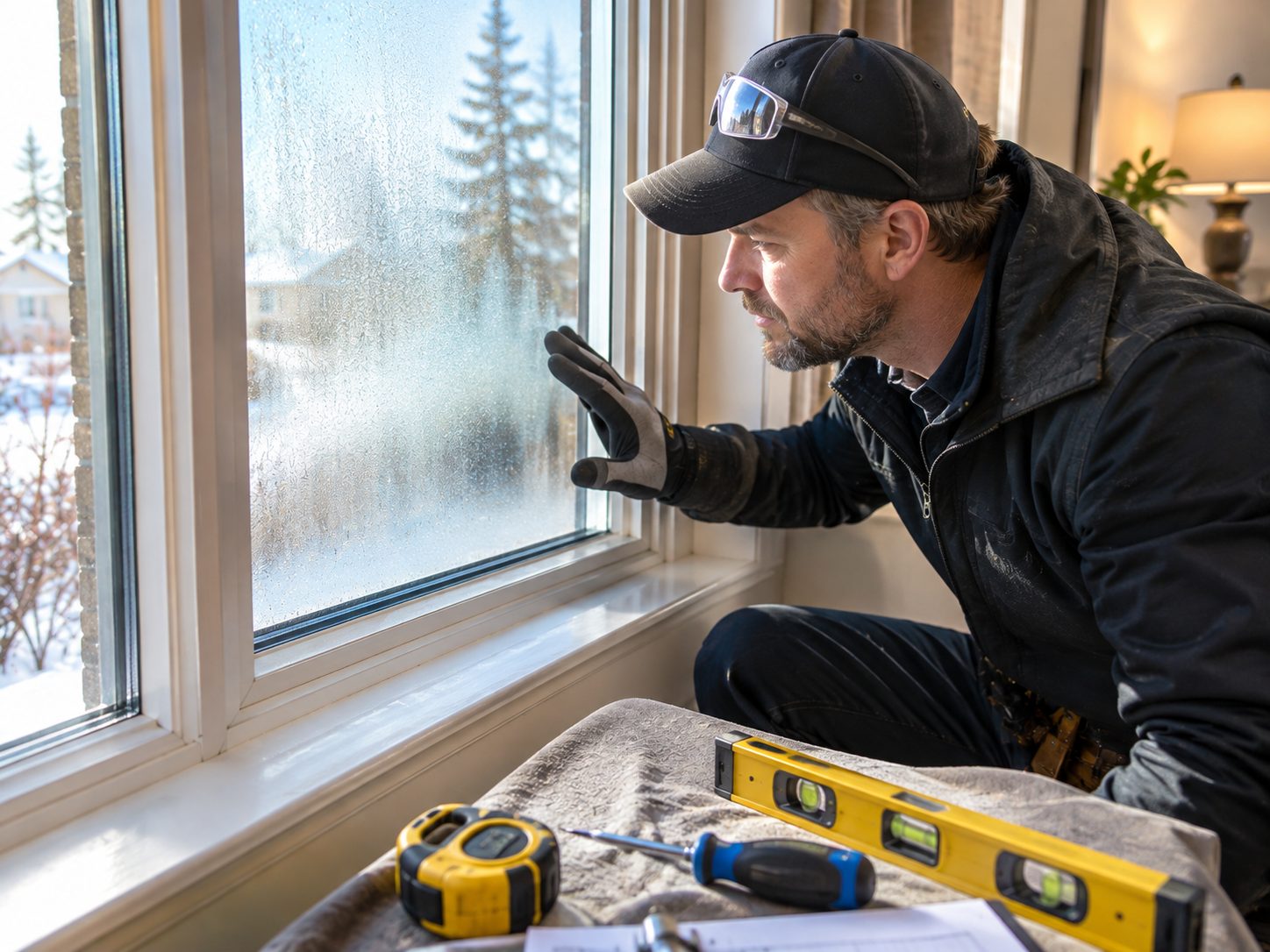
Not every window problem requires the same repair or replacement. Explore window options that address heat loss, outside noise, failed glass seals, ventilation, basement safety and the appearance of your home. The contractor can explain which solutions are suitable for your existing openings.
Explore insulated triple pane windows designed to reduce heat transfer and improve comfort during cold Alberta weather.
Learn more →Address cloudy glass and failed window seals with replacement insulated glass units where existing frames remain suitable.
Learn more →Explore acoustic window upgrades that can reduce unwanted sound from traffic, neighbourhood activity and other outdoor sources.
Learn more →Improve basement daylight, window operation and insulation while addressing drainage and applicable emergency escape requirements.
Learn more →Explore outward-opening casement and awning windows that offer convenient ventilation, dependable closure and flexible room configurations.
Learn more →Explore projecting bay and bow windows that bring more daylight and visual interest into residential living spaces.
Learn more →Window Replacement Leduc accepts requests from homeowners throughout Leduc and surrounding communities, including Leduc County, Millet, New Sarepta, Beaumont and Devon. We also cover established Leduc neighbourhoods such as Corinthia Park, Alexandra Park, Linsford Park, South Park and Caledonia.
The variety of homes across this area makes individual window assessments important. Rural properties may face strong wind exposure, while established urban neighbourhoods often contain homes with older window assemblies. Newer subdivisions can have different concerns, including large glazed areas, indoor humidity and builder-installed windows that no longer meet a homeowner's needs.
Each property has its own combination of sunlight, wind exposure, construction details and ventilation requirements. A contractor can consider these factors when recommending suitable glass, frame and installation options.
If you are planning window improvements anywhere in the surrounding service area, share your property location and a description of the work.
See all service areas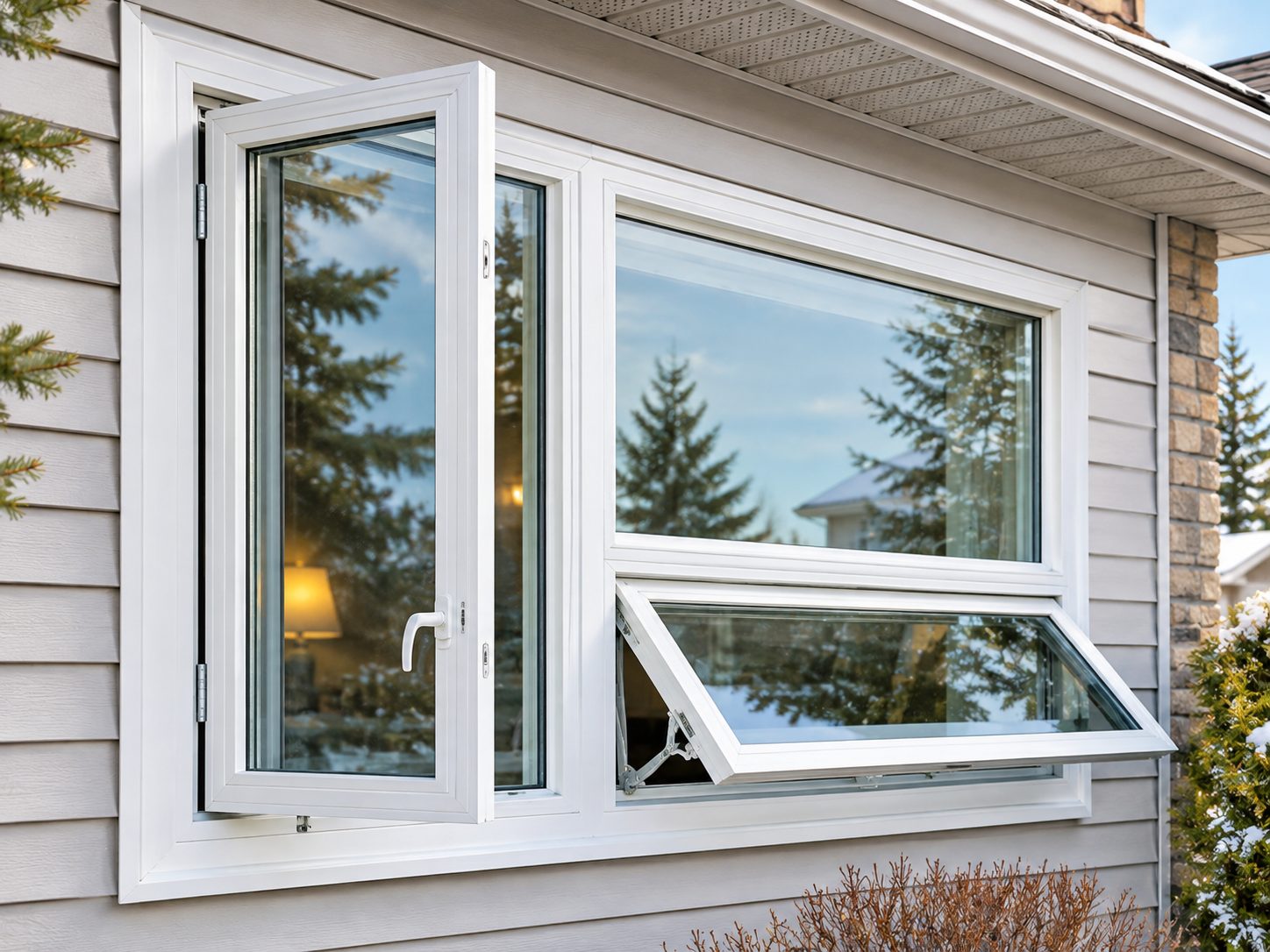
Describe your window concerns without having to research every available product first. We help connect your request with a local contractor.
Explore window configurations that address the realities of cold winters, seasonal temperature changes and varying wind exposure.
A failed glass seal does not automatically mean the entire window needs replacing. The contractor can assess whether retaining the existing frame makes sense.
Discuss measurements, product choices, installation details and scheduling directly with the independent contractor responsible for the proposed work.
Windows rarely stop performing properly all at once. More often, small problems develop gradually until they begin affecting everyday comfort. You might notice that a chair beside the living room window feels unusually cold in January, or that a bedroom window needs considerable effort to open. These changes are worth investigating before they become more disruptive.
Cold air entering around a closed window can indicate worn weatherstripping, deteriorated seals or problems with the original installation. However, a cold sensation near glass does not always mean outside air is leaking inside. Cold glass surfaces can also create uncomfortable air movement within a room. Identifying the source helps determine whether adjustment, repair or replacement is appropriate.
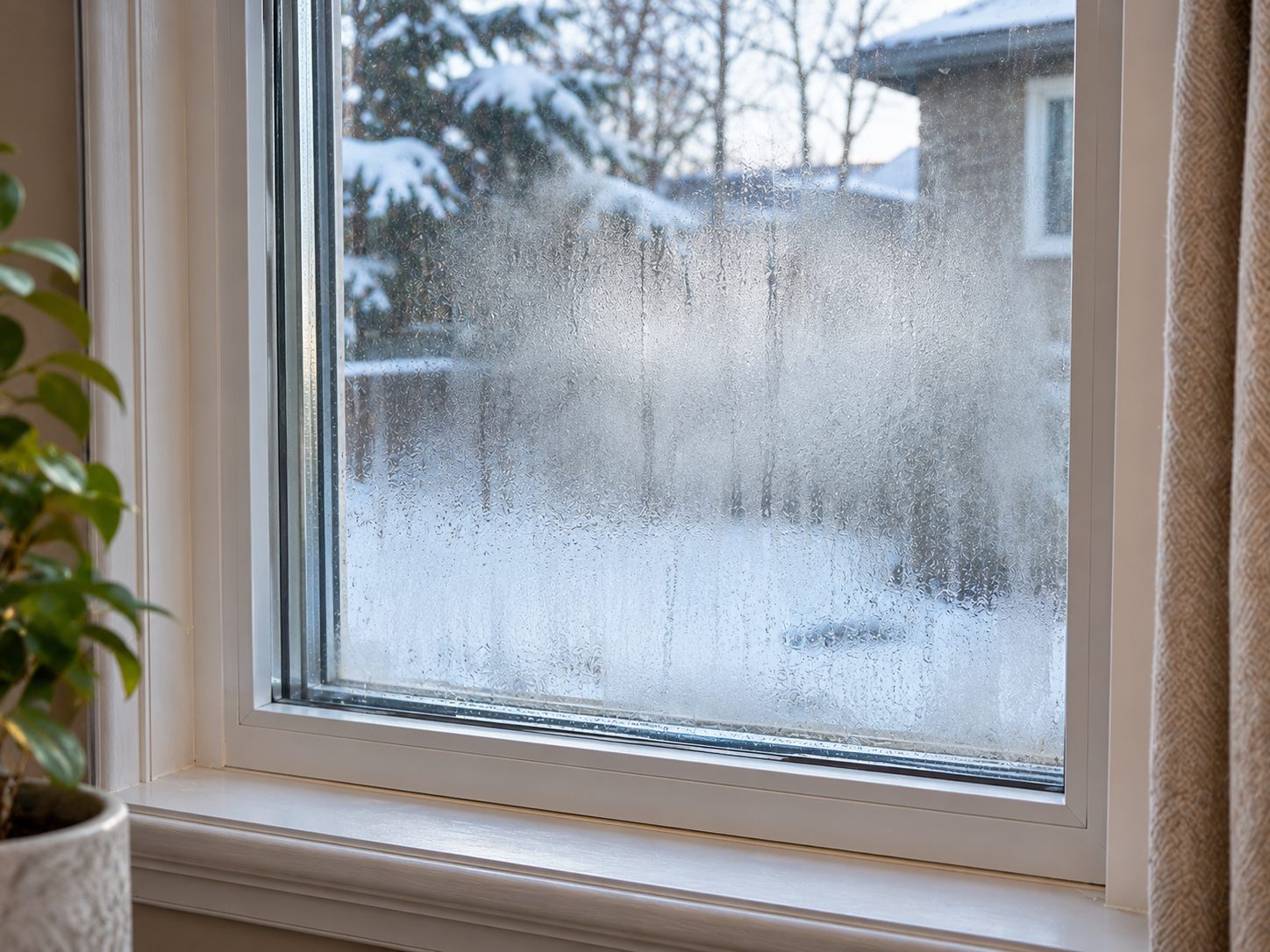
Condensation trapped between glass panes usually indicates a problem with the insulated glass seal. Unlike moisture on the room-facing surface, this fogging cannot be removed through ordinary cleaning. If the frame remains in suitable condition, replacing the sealed glass unit may restore visibility without removing the entire window.
Difficulty opening, closing or locking a window can result from worn hardware, frame movement or material deterioration. This matters particularly in rooms where the window provides ventilation or emergency escape. Forcing a sticking window can make the underlying problem worse.
Peeling finishes, damaged trim, soft wood and recurring moisture stains deserve attention. These symptoms may involve water management around the opening rather than the glass alone. Simply installing a new window without addressing the underlying issue may allow the damage to continue.
The age of a window provides useful context, but its actual condition is more important than a particular replacement schedule. A well-maintained older window might remain serviceable, while a comparatively newer unit can develop a failed seal or installation problem. If several warning signs appear together, ask for an assessment that considers the entire opening rather than just the visible glass.
Knowing what to expect during window replacement makes it easier to prepare your home and understand the proposed work. Although installation methods vary, the project usually begins with an assessment of the existing windows and the surrounding construction.
The contractor examines the existing frame, operating hardware, glass and accessible surrounding materials. Measurements establish what can fit within the opening and whether modifications may be necessary. This is also an opportunity to discuss ventilation, appearance, privacy and energy performance.
Accurate measurements matter because replacement windows need suitable clearances for installation, insulation and normal material movement. Ordering a window based only on an approximate glass measurement can lead to significant fitting problems.
Some projects involve installing a replacement window while retaining suitable parts of the existing frame. Others require removing the complete assembly to expose the rough opening. The appropriate method depends on frame condition, previous installation details and the objectives of the renovation.
A more extensive removal can provide access to concealed areas that would otherwise remain difficult to inspect. A less invasive installation may preserve interior finishes where the existing construction allows it.
Before the scheduled installation, homeowners may need to move furniture, remove blinds and clear access to the windows. Keeping pets away from the work area is also sensible. Discuss protection for flooring and nearby belongings with the contractor beforehand.
The installation includes securing the window in the opening, managing perimeter air and water protection, and completing the agreed interior and exterior finishes. Operable windows should be checked for smooth movement, reliable locking and proper alignment.
Ask the contractor to explain any maintenance requirements and demonstrate unfamiliar operating features before the project is considered complete. Keep the product information, estimate and warranty documents together for future reference. Understanding these details can also help if adjustments become necessary after the home experiences its next seasonal temperature change.
A useful window estimate reflects more than the size of the glass. Two windows that look similar from the street may have very different installation requirements, performance specifications and finishing details. Understanding the main factors makes it easier to evaluate a proposal without relying on a general advertised figure.
Large openings typically require more material and may be more difficult to handle. Unusual shapes, divided window arrangements and decorative configurations can involve additional manufacturing considerations. Fixed windows also have different hardware requirements from casement, awning or sliding styles.
The number of glass panes, insulating gas fills, spacer construction and low-emissivity coatings influence the finished product. Additional features such as laminated glass, obscure glass or specialized acoustic configurations can change the specification further.
Choosing between these options should involve the actual needs of the room. A window facing a busy road may have different priorities from a sheltered window overlooking the backyard.
A sound opening with accessible finishes presents a different project from one containing concealed moisture damage or deteriorated framing. If additional repairs become necessary after removal, they may affect the scope of work. Ask how unexpected conditions will be documented and approved.
Upper-storey windows, restricted exterior access and large assemblies may require different handling arrangements. Interior trim, exterior cladding and sill details can also influence the amount of finishing work involved.
When reviewing an estimate, look for clear descriptions of the proposed windows, installation method, finishing materials and disposal arrangements. Confirm which work is included and which items remain the homeowner's responsibility.
It is also helpful to understand the distinction between product warranty coverage and installation workmanship coverage. These may be provided by different parties and can have separate conditions.
For an estimate that reflects your actual property, describe the windows you want to address and any concerns you have noticed. The contractor can assess the relevant details rather than relying on assumptions about your home.
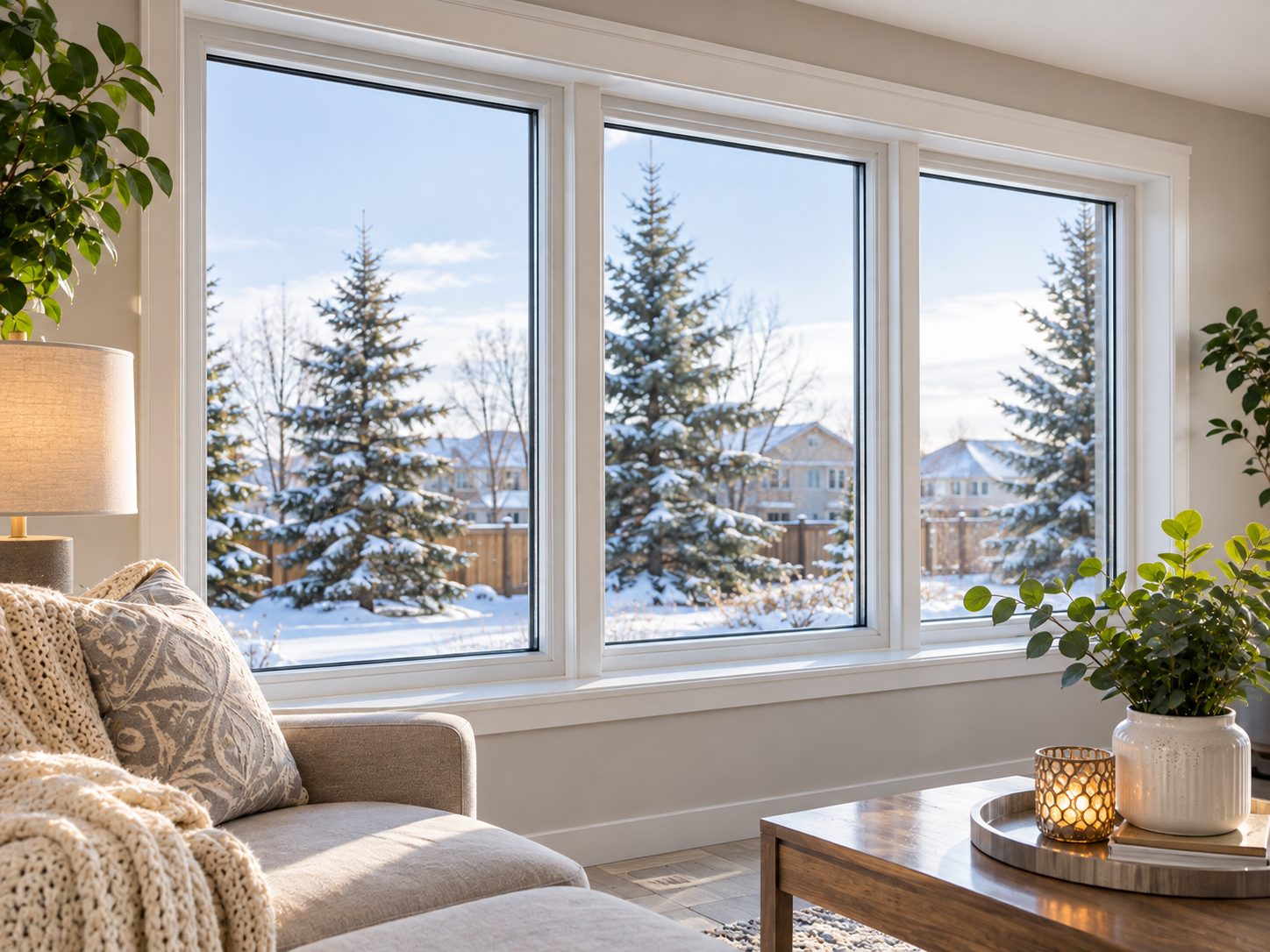
Central Alberta presents a demanding environment for residential windows. Extended heating periods, freezing outdoor temperatures and seasonal changes all influence how a window performs. A suitable replacement should balance insulation, solar heat management, ventilation and everyday usability.
A window's U-factor describes how readily heat transfers through the assembly. A lower U-factor generally indicates better resistance to heat loss. When comparing products, look at ratings for the complete window rather than assuming the centre of the glass represents the entire assembly.
Triple pane glazing can improve thermal performance, particularly when combined with appropriate coatings, insulating spacers and well-designed frames. The additional pane alone does not determine the quality of the finished product.
Solar heat gain describes how much solar energy passes through a window. Sunlight entering a home during colder weather can be welcome, but substantial exposure during summer may contribute to overheating. Window orientation, existing shade and room usage all help determine which glass characteristics are appropriate.
West-facing rooms can become particularly warm later in the day. North-facing windows generally receive less direct sunlight and may benefit from prioritizing insulation and comfortable interior surface temperatures.
During very cold weather, moisture inside a home can condense on cold glass or frames. Better-insulated windows may reduce this tendency, but indoor humidity and airflow remain important. Bathrooms, kitchens and bedrooms can experience different moisture conditions.
Regular ventilation, functioning exhaust fans and appropriate humidity management can support window performance throughout the heating season.
Even a well-insulated window can perform poorly if its perimeter is inadequately sealed or insulated. The connection between the window frame and the surrounding wall deserves the same attention as the glass specification.
Discuss the proposed installation details with the contractor and ask how the new assembly will work with your home's existing construction. This is particularly useful when replacing original windows in an established Leduc neighbourhood where wall materials and exterior finishes may differ from those used in newer developments.
The way a window opens affects ventilation, cleaning, furniture placement and how comfortably a room can be used. Choosing a replacement solely because it resembles the original can mean overlooking an opportunity to make the space more functional.
Casement windows swing outward from side-mounted hinges and can provide a useful opening for fresh air. Awning windows are hinged along the top and open outward from the bottom. Their different movement patterns make each suitable for particular locations around the home.
Before selecting an outward-opening style, consider decks, walkways, nearby fences and other exterior obstructions. An open sash should not create an avoidable conflict with normal activity outside.
A fixed window does not open. This can make it an appealing option in locations where ventilation is provided elsewhere and an uninterrupted view is desirable. Combining fixed glass with operable sections can create a useful balance between daylight and airflow.
Large windows deserve particular attention to solar exposure, privacy and furniture layout. The brightest possible room is not necessarily the most comfortable room throughout the year.
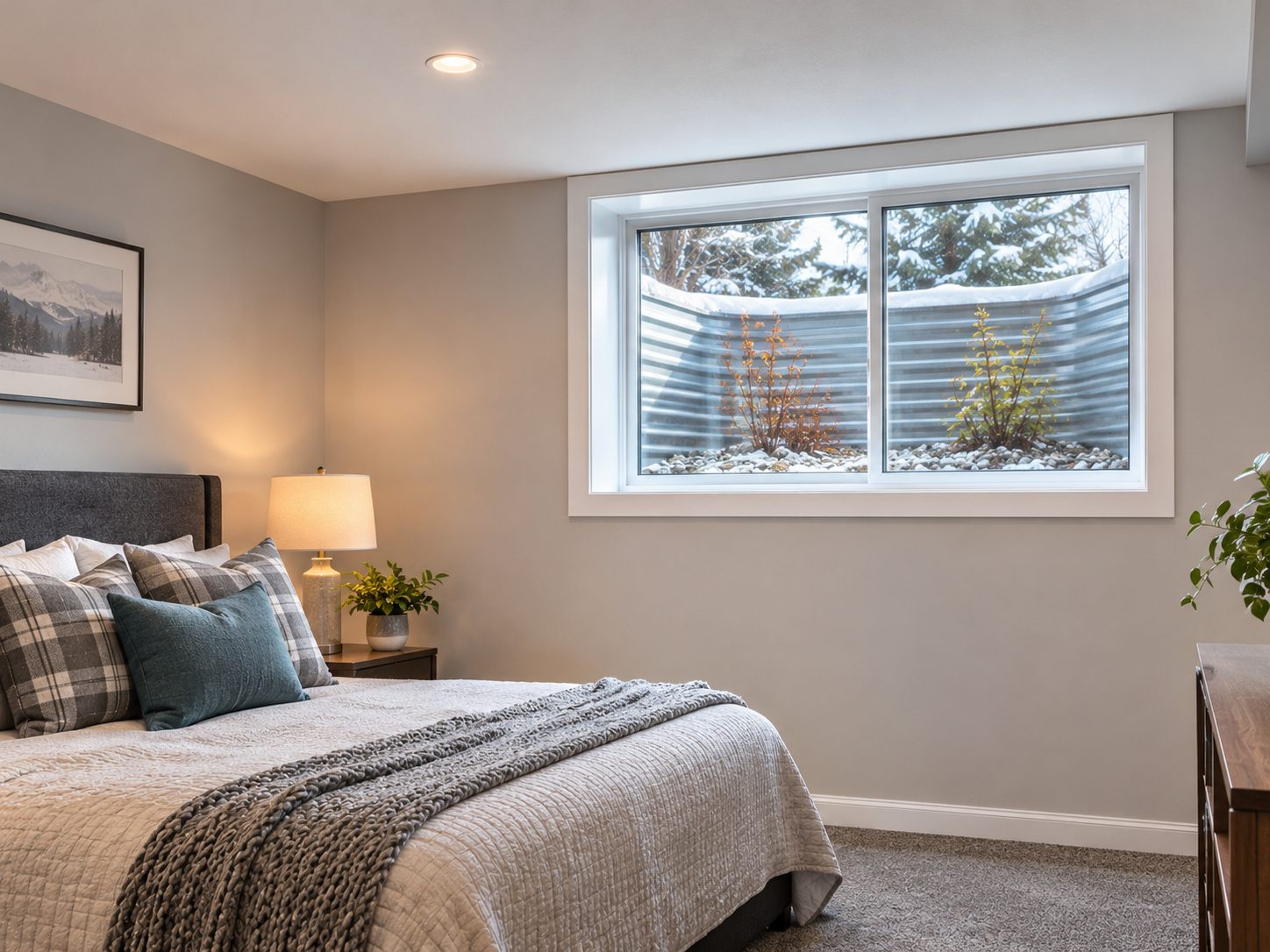
Below-grade windows need careful consideration of drainage, window well dimensions and accessibility. When a basement room is used as a bedroom, applicable emergency escape requirements must also be considered. The clear opening available when the window is fully open matters more than the advertised frame dimensions alone.
Bay and bow windows extend beyond the exterior wall and can change the feeling of an interior space. Their projecting design introduces additional considerations involving structural support, weather protection and insulation beneath the assembly.
Replacing an existing projection requires attention to its condition as well as the new glass and frames. Creating a projection where one did not previously exist may involve a more substantial alteration.
Think about how you use each room before choosing a window style. A home office, kitchen, basement bedroom and front living room do not necessarily need identical window configurations. The contractor can help identify practical options that suit the available openings and surrounding construction.
Choosing someone to replace your windows involves evaluating both the proposed products and the people responsible for installing them. A well-defined scope of work gives you a clearer basis for making that decision than a conversation focused exclusively on window appearance.
Find out which frame system, glass configuration and opening style are being proposed. Request relevant energy performance information and confirm whether features discussed during the consultation are reflected in the written estimate.
If you are comparing more than one proposal, check that the window specifications are reasonably comparable. Different performance characteristics may explain differences between estimates.
Ask whether the existing frame will remain in place or be removed. Discuss how the contractor intends to manage insulation, exterior weather protection and interior finishing around the opening.
For homes with stucco, brick or older siding, it is especially useful to clarify how surrounding materials will be protected and restored. Avoid assuming that every finishing task is automatically included.
Establish who will supply the windows, obtain any necessary approvals, complete installation and remove unwanted materials. Ask how the contractor handles concealed damage or other conditions discovered during removal.
You can also request relevant insurance information and check which business or trade requirements apply to the proposed work. These details should relate to the contractor actually entering your home and completing the project.
Read the written terms covering the window products and installation. Understand who handles a future service request and what limitations apply. Payment arrangements, cancellation conditions and expected scheduling should be clear before you enter an agreement.
Good communication is valuable throughout this process. You should feel comfortable asking why a particular installation method or glass specification has been recommended. If something in the estimate is unclear, request an explanation before authorizing work.
When you are ready to discuss your property, send us your window replacement request and connect with a contractor serving the Leduc area.
Window Replacement Leduc does not do the window replacement work itself. When you call or send the form, we pass your request to an independent local contractor who covers your part of Alberta. That contractor contacts you, gives you the estimate and does the work.
See what happens after you call
Yes, a project can involve a single opening rather than every window in the house. The contractor can discuss matching the existing appearance and selecting a suitable replacement configuration.
Cloudiness between panes often results from a failed insulated glass seal. If the surrounding frame and hardware remain suitable, replacing the sealed unit may be enough.
Windows with better thermal performance can help maintain warmer interior glass surfaces and reduce heat transfer. The improvement depends on the existing window, replacement specification and installation quality.
Replacing windows before final painting and trim work can help avoid disturbing newly finished surfaces. Discuss the renovation sequence with the contractor, especially if the window openings will change.
Provide your property location, contact information and a description of the windows involved. We pass the request to an independent local contractor for direct follow-up.
Whether one window is causing problems or you are planning a larger home improvement project, start with a conversation about your property and the available replacement options.
Free — no obligations